Development of Sewage Treatment Plant at
kolkata under Hybrid Annuity based PPP mode

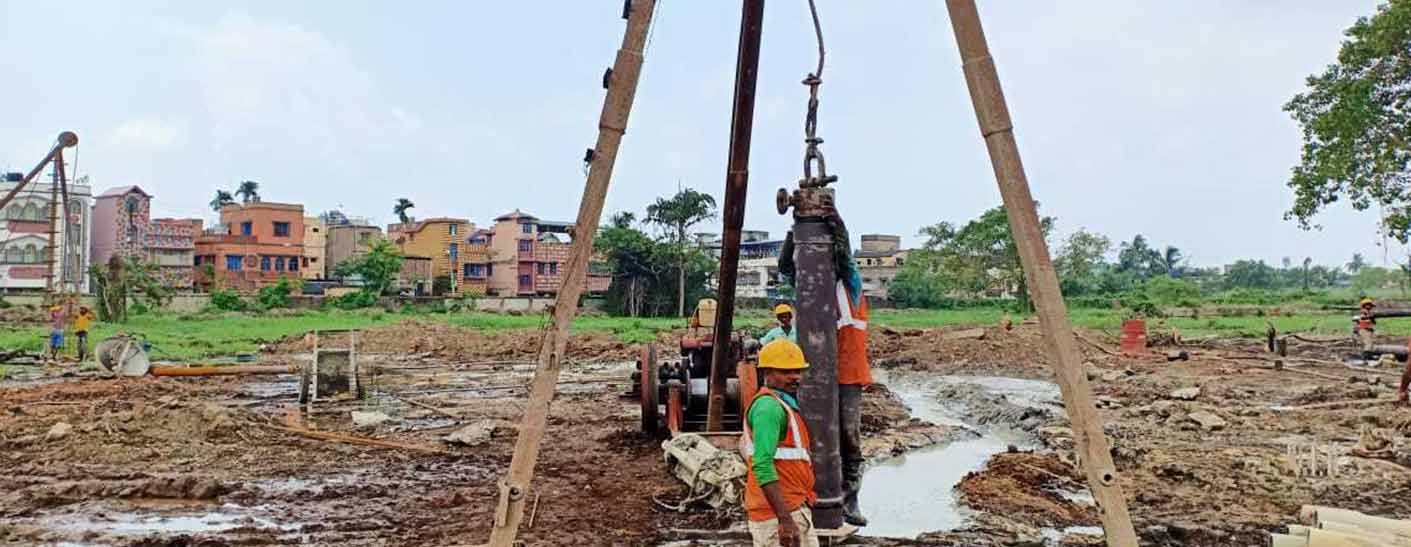
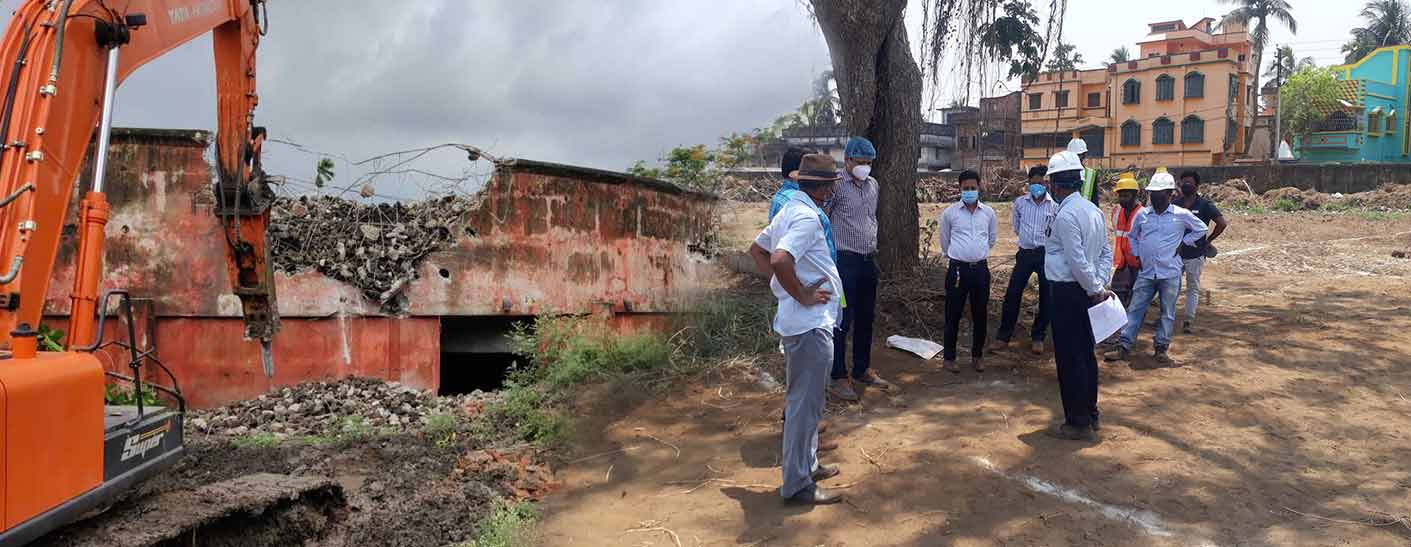
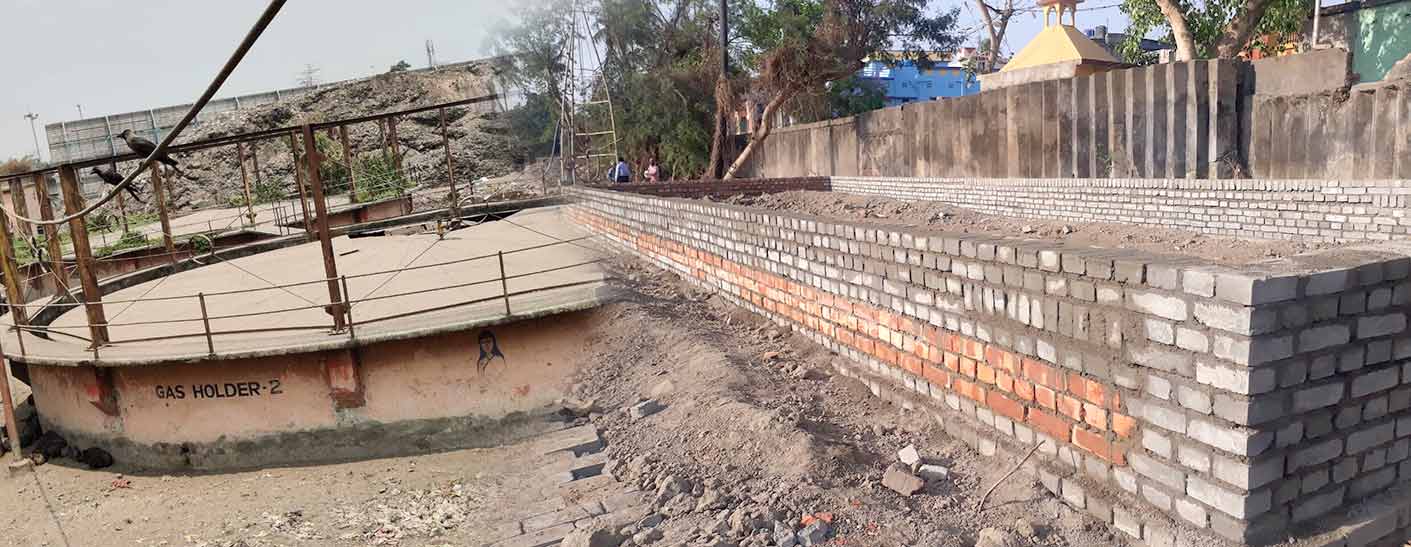
Government of India has approved the NamamiGange program as an integrated approach for effective abatement of pollution in river Ganga. As part of this and to ensure that no untreated domestic sewage flow into the river Ganga, various interventions are planned such as Interception & Diversion works and development & operation of Sewage Treatment Plants (STPs). Considering various development models in practice for the construction, operation and maintenance of Sewage TreatmentPlants, Government of India has approved the Hybrid Annuity based Public Private Partnership (PPP) mode asone of the options for the development & operation of STPs.
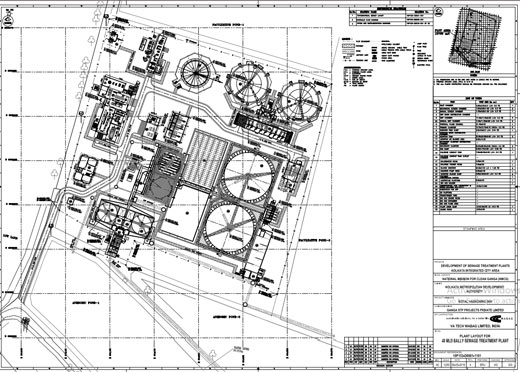
Under this model, private investor/developer will design, build, finance, operate and transfer the asset (STP) to the Project Executing Agency/Jal Nigam/Jal Sansthan/Urban Local body at the end of the Concession Period (say 15 years). 40% of the Capital cost will be paid to the developer during construction of the STP. Balance 60% along with Operation & Maintenance (O&M) cost will be paid over the Concession Period on achievement of key performance indicators as per the contract. Entire costof development and operation of the STPs will be 100% funded by the Government of India as central sector scheme. It is also envisaged to explore the possibility of recycle/ reuse of the treated wastewater for non-potable purpose.
Read MoreKolkata (previously Calcutta the official name until 2001) is the capital of the Indian state of West Bengal. Located on the eastern bank of the Hooghly River, the city is approximately 80 kilometres (50 mi) west of the border with Bangladesh.
The remaining undeveloped areas, known as the East Kolkata Wetlands, were designated a "wetland of international importance" by the Ramsar Convention (1975). The Kolkata metropolitan area is spread over 1,886.67 km2 (728.45 sq mi) and comprises 4 municipal corporations (including Kolkata Municipal Corporation), 37 local municipalities and 24 panchayat samitis, as of 2011. The urban agglomeration encompassed 72 cities and 527 towns and villages, as of 2006. The east–west dimension of the city is comparatively narrow, stretching from the Hooghly River in the west to roughly the Eastern Metropolitan Bypass in the east—a span of 9–10 km (5.6–6.2 mi).
Copyright © 2021, kolkatahamstp.in. All Rights Reserved.